Super Courses: The Future of Teaching and Learning by Ken Bain
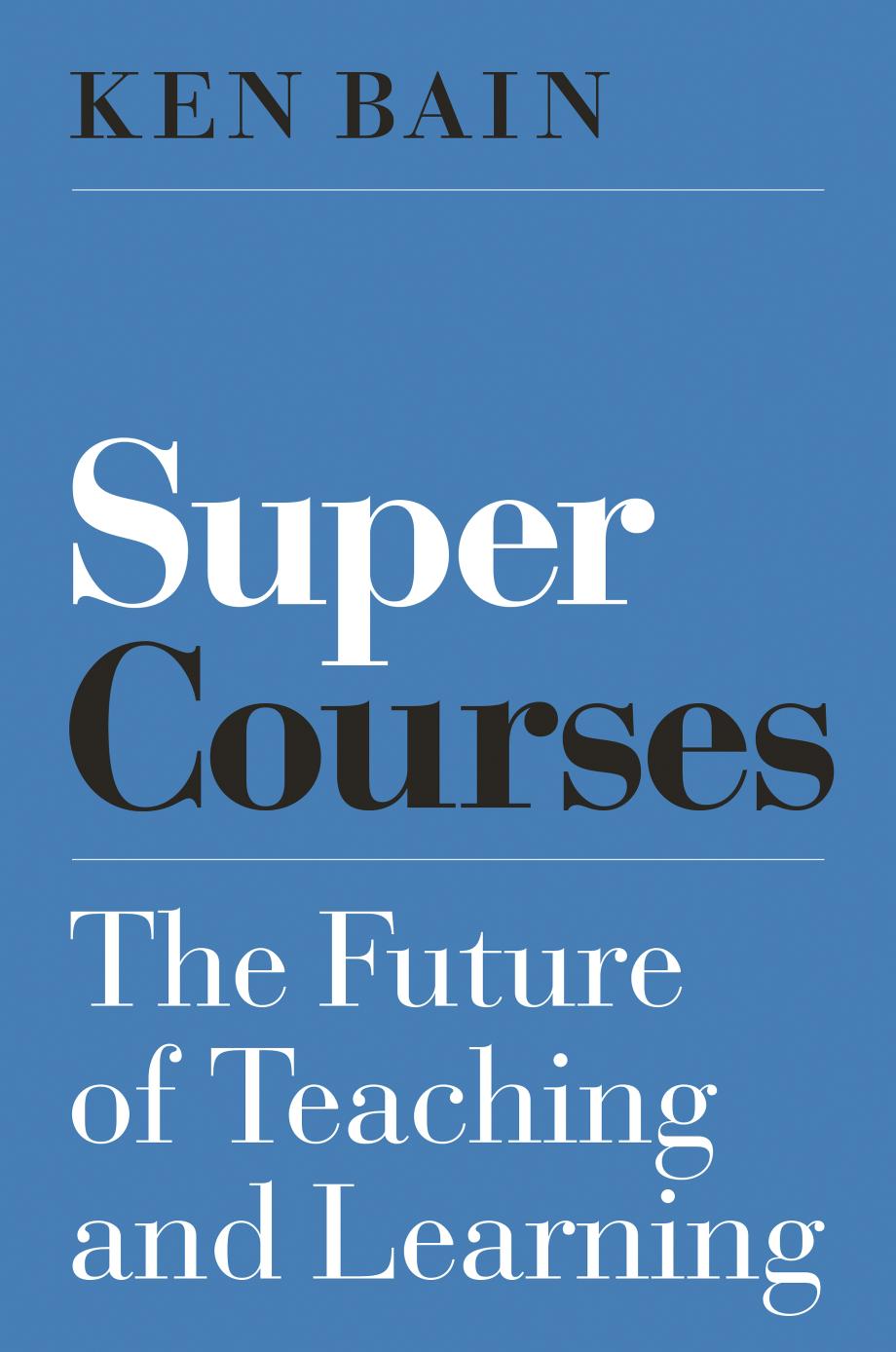
Author:Ken Bain [Bain, Ken]
Language: eng
Format: epub, pdf
ISBN: 9780691185460
Google: zgn-DwAAQBAJ
Published: 2021-03-09T03:15:15.052000+00:00
Messy Problems
The problems were important and fascinating, with just enough messiness and complexity to intrigue the young engineers, but not so much as to frustrate them. In that goldilocks zone between too hard and too soft, the students would ideally find the level just right. They could work together, challenge one another, argue, and resolveâforced to defend their thinking in a publicly visible space.
But, of course, whatâs perfect for one table might be insultingly simple for another, or enough to prompt the gnashing of teeth and pulling of hair in a third. Thatâs where âdynamic scaffoldingâ came to the rescue. In this highly fluid environment, the tutors and teacher could adjust how much and what kind of assistance they provided. When would they just listen to the struggles? What kinds of questions would they ask? That all depended on what they heard and saw on the pads.
In a traditional lecture classroom, a lot of presentation skills separated the best teachers from the mediocre. Yet the formal lecture froze the assistance in place with little room to meet the individual needs of the class members. In this new world of the PSS, quality instruction depended on good questions and the capacity to recognize the mental models that stood behind someoneâs approach to a problem. The best teachers had to make judgments and adjustments on the fly, to understand novice thinking, to pick the right problems, not just prepare a well-organized lecture in advance and then deliver it with flair. We want, Joe explained, to âpresent each team, each table, and the entire class with a problem that is [challenging], but not so difficult thatâ they get stalled.
The professors and peer tutor have to give âsituated feedback,â to know whether students are making progress or getting bored and what kind of feedback they needed. They must be able to provide a wide variety of support materials students can use on their own, including things to read or things to watch or hear.
In this Super Course, highly effective teachers also have to know how and when to create the best groups. When students first come into Joeâs class, they can sit where they want. But by the third week, the team of professor and mentors fashions heterogeneous clusters of four based on their reading of studentsâ abilities during the first two weeks. That means people with strong backgrounds benefit from explaining their ideas to someone else. Struggling students profit from working with more advanced classmates. All the students grow as they try, come up short, receive feedback (often in the form of the right question), and try again before anyone marks their work with a letter or number. Once formed, these heterogeneous groups remain together for the remainder of the term, eliminating the problem of constantly shifting personalities, and creating stability and continuity from one session to the next. With four carefully chosen people to a set of tables, the students experience enough diversity to enjoy the right measure of pressure. To balance
Download
Super Courses: The Future of Teaching and Learning by Ken Bain.pdf
This site does not store any files on its server. We only index and link to content provided by other sites. Please contact the content providers to delete copyright contents if any and email us, we'll remove relevant links or contents immediately.
The Art of Coaching Workbook by Elena Aguilar(51148)
Trainspotting by Irvine Welsh(21631)
Twilight of the Idols With the Antichrist and Ecce Homo by Friedrich Nietzsche(18613)
Fangirl by Rainbow Rowell(9224)
Periodization Training for Sports by Tudor Bompa(8246)
Change Your Questions, Change Your Life by Marilee Adams(7732)
This Is How You Lose Her by Junot Diaz(6868)
Asking the Right Questions: A Guide to Critical Thinking by M. Neil Browne & Stuart M. Keeley(5751)
Grit by Angela Duckworth(5592)
Red Sparrow by Jason Matthews(5462)
Paper Towns by Green John(5173)
Room 212 by Kate Stewart(5102)
Ken Follett - World without end by Ken Follett(4716)
Housekeeping by Marilynne Robinson(4433)
The Sports Rules Book by Human Kinetics(4377)
Double Down (Diary of a Wimpy Kid Book 11) by Jeff Kinney(4257)
Papillon (English) by Henri Charrière(4251)
The Motorcycle Diaries by Ernesto Che Guevara(4080)
Exercise Technique Manual for Resistance Training by National Strength & Conditioning Association(4054)
